What to Do With Fallen Leaves: Mulching, Composting, and More
Colorful fall leaves may look beautiful on the trees, but once they begin covering the lawn, garden beds, and walkways, it’s time to decide what to do with...


Fairly long-lived perennial in upper South; short-lived perennial or annual in lower South. Leaves are non-hairy and usually marked with a white 'V'.
White flowers are clustered into heads. Seed are extremely small. Intermediate types of white clover can be expected to reseed naturally while giant or ladino types usually do not reseed well in the lower South. Major use is pasture. Very high quality grazing plant. Bloat can be a problem. Seed are broadcast at 2 to 3 lb/A with tall fescue, orchardgrass, or Kentucky bluegrass in September-October. Under favorable growing conditions, white clover can shade out seedling grasses so it may be necessary to graze the clover to reduce competition. Established grass pastures can be overseeded in October-November or February-March.

Protect your yard this fall! Save 20% on all deer repellents in stock throughout October—a great time to keep unwanted visitors away from your garden and landscaping. While supplies last.
Not valid with any other discounts or sales.
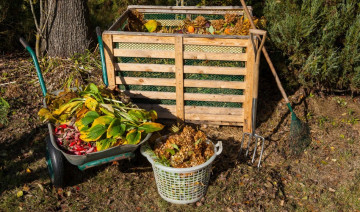
Colorful fall leaves may look beautiful on the trees, but once they begin covering the lawn, garden beds, and walkways, it’s time to decide what to do with...
