Why Chickens Lay Fewer Eggs in Fall and Winter
If you raise backyard chickens, you may notice something missing from the nesting boxes once fall arrives: eggs! A hen that reliably produced eggs throughout...


Winter rye is usually used as a winter cover crop because of its tolerance to adverse growing environments.
Winter rye is usually used as a winter cover crop because of its tolerance to adverse growing environments. Winter rye is the most winter hardy and earliest maturing cereal grain. It is more productive than other cereals on infertile, sandy, or acidic soils, and on poorly prepared land. When used as winter cover, winter rye is usually seeded at a rate of 60 to 90 pounds per acre. When grown for grain production, winter rye should be seeded between September 20 and October 20 at the rate of 84 to 112 pounds of high-quality seed per acre. The seed should be planted one-inch deep. When used as a winter cover crop or a green manure crop, it should be seeded in early September. Fertilization is similar to wheat, but nitrogen application should be limited to 40 pounds per acre. Rye competes well with weeds, and herbicides are generally not needed.

Protect your yard this fall! Save 20% on all deer repellents in stock throughout October—a great time to keep unwanted visitors away from your garden and landscaping. While supplies last.
Not valid with any other discounts or sales.
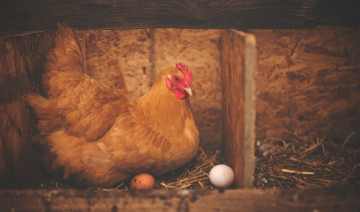
If you raise backyard chickens, you may notice something missing from the nesting boxes once fall arrives: eggs! A hen that reliably produced eggs throughout...
