What to Do With Fallen Leaves: Mulching, Composting, and More
Colorful fall leaves may look beautiful on the trees, but once they begin covering the lawn, garden beds, and walkways, it’s time to decide what to do with...

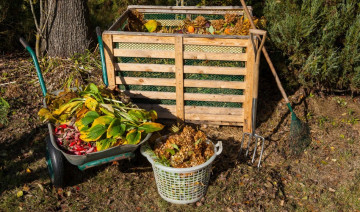
Colorful fall leaves may look beautiful on the trees, but once they begin covering the lawn, garden beds, and walkways, it’s time to decide what to do with them. Before you bag them up and haul them away, consider putting some of those leaves to work around your yard and garden.
Fallen leaves are a valuable source of organic material. With a little effort, they can be used for mulching, composting, improving garden beds, and even providing habitat for beneficial wildlife. Here are a few practical ways to make the most of your leaves this fall.
You don't necessarily need to rake every leaf that lands on your lawn. When the leaf layer is light, running over dry leaves with a lawn mower can chop them into smaller pieces that settle between the blades of grass.
Shredding leaves helps them break down more quickly and returns organic material to the soil. It can also save time compared with raking and bagging every leaf.
The key is moderation. A thick, matted layer of whole leaves can block sunlight and airflow to the grass below. If leaves are completely covering your lawn, remove some or make several passes with the mower until the pieces are small enough to settle into the turf.
Leaves can also be turned into a useful mulch for garden beds.
After shredding them with a mower or leaf shredder, spread a layer around established perennials, shrubs, and other plants. Leaf mulch can help insulate the soil, conserve moisture, suppress weeds, and gradually add organic matter as it decomposes.
Shredding the leaves first is generally better than piling whole leaves onto garden beds. Thick layers of whole leaves can mat together, limiting airflow and preventing water from reaching the soil.
When applying leaf mulch, avoid piling it directly against tree trunks or plant stems. Leave a little breathing room around the base of your plants.
If you compost at home, fall leaves can be a valuable addition to your pile.
Dry leaves are considered a "brown" compost material, meaning they provide carbon. They can be combined with "green" materials, such as fresh grass clippings, certain garden debris, and fruit and vegetable scraps, to create a more balanced compost pile.
Instead of adding a huge pile of whole leaves all at once, shred them first when possible. Smaller pieces tend to break down more quickly and are easier to mix with other compost materials.
You can also save bags of dry leaves to add to your compost throughout the year when you need additional brown material.
Avoid composting plant material that is heavily diseased or contaminated with chemicals that aren't appropriate for your composting system. When in doubt, dispose of questionable material according to your local guidelines.
If you're looking for a simple way to recycle leaves without maintaining a traditional compost pile, consider making leaf mold.
Leaf mold is created by allowing leaves to slowly decompose on their own. Gather fallen leaves into a pile, bin, or breathable enclosure and keep them slightly moist. Over time, they will break down into a dark, crumbly material.
The process can take a year or longer, so patience is important. Once ready, leaf mold can be worked into garden soil or used around plants to help improve soil structure and moisture retention.
Shredding the leaves before starting can help speed up the decomposition process.
Bare garden soil can be exposed to winter weather, erosion, and temperature fluctuations. Leaves can provide an extra layer of protection.
Shredded leaves can be spread over empty vegetable beds and around established plants to help cover the soil through the colder months. As the leaves gradually break down, they contribute organic matter as well.
In spring, you can move aside any remaining thick layers when it's time for the soil to warm and new plants to emerge.
Not every leaf needs to disappear from your property.
Leaves provide shelter for a variety of insects and other small creatures, some of which are beneficial to the garden. Certain butterflies, moths, and other insects spend part of their life cycle among fallen leaves.
If you have an out-of-the-way area of your property, consider leaving some leaves beneath trees, around shrubs, or along the edges of garden beds. This can create habitat while still allowing you to keep lawns, paths, and high-traffic areas tidy.
It's all about finding a balance between fall cleanup and leaving a little natural habitat behind.
While leaves can be useful around the garden, there are places where they shouldn't be allowed to accumulate.
Regularly clear leaves from:
Keeping these spaces clear can help improve drainage, reduce slipping hazards, and prevent other seasonal problems.
If plants experienced significant disease problems during the growing season, think twice before using their fallen leaves as mulch.
Some plant diseases can survive on infected debris and potentially create problems again the following season. Depending on the disease and your composting method, removing affected material from the property may be the better option.
If you're unsure why a plant struggled during the growing season, bring photos or samples to a knowledgeable local garden professional for help identifying the issue before reusing the material.
If you still have more leaves than you can use, check your local yard-waste guidelines before disposing of them.
Some communities provide curbside leaf pickup, yard-waste collection, or community composting programs. Requirements may vary, including whether leaves need to be placed in paper bags, containers, or loose at the curb.
Avoid dumping leaves into streets, waterways, wooded areas, or other locations where disposal isn't permitted.
A yard full of leaves may look like another chore on your fall to-do list, but those leaves can also be a valuable resource. Whether you mulch them into the lawn, add them to compost, protect garden beds, or leave some for wildlife, there are plenty of ways to put fallen leaves to good use.
Before reaching for the yard-waste bags, think about where those leaves could benefit your landscape. A little extra work this fall could mean healthier soil, protected garden beds, and less waste heading into winter.
Need help tackling fall cleanup? Stop by your local lawn & garden store for rakes, leaf bags, composting supplies, mulching equipment, garden tools, and other seasonal essentials to help make the most of your autumn yard work.

Protect your yard this fall! Save 20% on all deer repellents in stock throughout October—a great time to keep unwanted visitors away from your garden and landscaping. While supplies last.
Not valid with any other discounts or sales.
Colorful fall leaves may look beautiful on the trees, but once they begin covering the lawn, garden beds, and walkways, it’s time to decide what to do with...

Comments