Pet Costumes 101: How to Choose a Comfortable and Safe Halloween Outfit
Halloween isn’t just for humans—our pets love to join in on the festive fun too! Whether it’s a silly pumpkin suit, a spooky vampire cape, or a cozy themed...

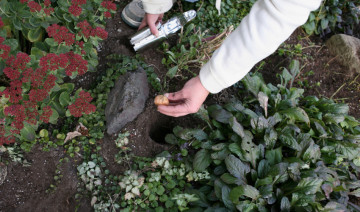
September marks the transition from summer into fall, but that doesn't mean your gardening season is over. In fact, there are plenty of ways to keep your garden productive and prepare your landscape for the months ahead.
From planting cool-season crops and spring-blooming bulbs to cleaning up garden beds and preparing plants for colder weather, September is an important month for gardeners. Here's a helpful guide to what you can plant, prune, and prepare this month.
September can be an excellent planting month, depending on your location and first expected frost date. Cooler temperatures can make it easier for plants to establish roots without the stress of summer heat.
If you're interested in extending your vegetable-growing season, consider planting crops that thrive in cooler temperatures. Depending on your growing zone and local conditions, options may include:
Some crops can be harvested before winter, while others can continue growing into the colder months with additional protection.
Before planting, check the recommended growing times for your area and keep your first expected frost date in mind.
Fall is also the time to start thinking ahead to spring. Many spring-blooming bulbs need a period of cold temperatures before they can produce flowers.
Consider planting bulbs such as:
Choose a location with appropriate sunlight and well-draining soil, and follow planting-depth recommendations for the specific bulbs you select.
Add seasonal color to your landscape with flowers that thrive in cooler temperatures. Mums, asters, pansies, and ornamental cabbages and kales can help keep containers, flower beds, and other garden areas looking vibrant well into fall.
September isn't the time for major pruning of every plant. In many cases, it's better to wait until plants are dormant or until the appropriate pruning season for the specific species.
However, there are still a few pruning and maintenance tasks you can tackle.
Inspect your plants for dead, broken, or diseased branches. Removing damaged growth can help improve the appearance of your landscape and reduce potential problems.
When dealing with diseased plants, clean your pruning tools between cuts to help avoid spreading disease.
Continue removing spent flowers from plants that benefit from deadheading. This can help keep your garden looking tidy and, depending on the plant, may encourage additional blooms.
However, consider leaving some seed heads in place. Plants such as coneflowers and sunflowers can provide food for birds during fall and winter.
It's generally best to avoid extensive pruning late in the growing season unless you're removing dead, damaged, or hazardous growth. Heavy pruning can encourage tender new growth that may be more vulnerable to cold temperatures.
Research the specific pruning needs of your trees, shrubs, and perennials before making major cuts.
September is a great time to begin preparing your garden and landscape for winter. A little work now can make your fall and spring gardening tasks much easier.
Remove spent annuals and vegetable plants that have finished producing. Healthy plant material can often be added to your compost pile, while plants showing signs of disease should be disposed of appropriately.
Removing diseased or pest-infested material can help reduce the chance of problems carrying over into the next growing season.
Don't feel like you need to remove every bit of plant material, though. Some plants can provide valuable food and shelter for birds and beneficial insects.
Check the mulch around trees, shrubs, and garden beds. If the existing layer has thinned, consider adding more.
Mulch helps conserve moisture, regulate soil temperatures, and suppress weeds. As temperatures begin to drop, it can also provide an additional layer of protection for plant roots.
Avoid piling mulch directly against tree trunks or plant stems.
Keep an eye on nighttime temperatures and your area's expected first frost date. Some plants may need additional protection as temperatures fall.
If you have container plants that are sensitive to cold, start planning where they will be moved when frost threatens. You may also want to have protective coverings available for plants that need temporary protection.
September can be a great time to collect seeds from mature, healthy plants if you plan to grow them again next year.
Allow seeds to mature fully on the plant before collecting them. Once collected, make sure they are completely dry before placing them in labeled, airtight containers. Store them in a cool, dry location away from direct sunlight.
Your garden isn't the only part of your landscape that benefits from September preparation. Early fall can be an important time for lawn care.
Depending on your grass type and region, fall may be a good time to address thin areas, overseed, aerate, or provide appropriate nutrients. Keep mowing as needed while your grass continues to grow, and adjust your lawn-care routine as temperatures change.
September is also a great time to think about wild birds as the seasons change. Some birds are beginning migration, while others are preparing to spend the winter in your area.
Keep bird-feeding areas clean and provide a reliable source of fresh water. You can also leave some natural food sources in your landscape, such as mature seed heads and berry-producing plants.
Native trees, shrubs, and flowers can provide valuable food and shelter for birds throughout the year.
September weather can be unpredictable. One week may feel like summer, while the next brings noticeably cooler temperatures.
Pay attention to local weather forecasts and your expected frost dates. This will help you determine when to finish harvesting, protect tender plants, and make other seasonal adjustments.
September may signal the end of summer, but there's still plenty to do in the garden. Plant cool-season vegetables, add spring-blooming bulbs, maintain your flowers, clean up garden beds, and begin preparing your landscape for winter.
Most importantly, take some time to enjoy your garden before the growing season winds down. With a little planning and preparation now, you'll be ready to welcome fall—and set the stage for a healthy, beautiful garden next spring.

Get your yard ready for fall! Save 20% on all leaf rakes in stock throughout October—perfect for clearing leaves and keeping your yard looking neat all season long. While supplies last
Not valid with any other discounts or sales.

Halloween isn’t just for humans—our pets love to join in on the festive fun too! Whether it’s a silly pumpkin suit, a spooky vampire cape, or a cozy themed...

Comments