Pet Costumes 101: How to Choose a Comfortable and Safe Halloween Outfit
Halloween isn’t just for humans—our pets love to join in on the festive fun too! Whether it’s a silly pumpkin suit, a spooky vampire cape, or a cozy themed...

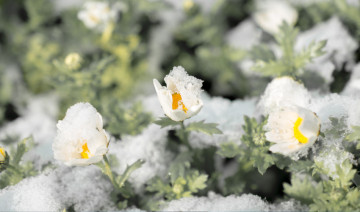
Spring is an exciting time for gardeners. After months of cold weather, it’s tempting to jump right into planting as soon as the snow melts and the sun starts shining. But early spring planting is all about timing—knowing what can handle cooler temperatures and what needs a little more patience.
Planting the right crops and flowers at the right time can lead to stronger growth, better harvests, and fewer setbacks. If you’re wondering what you can safely plant early—and what should wait—this guide will help you get started.
Before planting anything, take a quick look at your local weather patterns. Early spring conditions can vary widely depending on where you live. Some areas warm up quickly, while others experience late frosts well into April or May.
A few important factors to keep in mind:
Your average last frost date
Soil temperature (not just air temperature)
Soil moisture and drainage
Daytime vs. nighttime temperatures
If the ground is still soggy or frozen, it’s best to wait. Working wet soil can cause compaction, which makes it harder for roots to grow and can lead to long-term lawn and garden issues.
Many vegetables and flowers are surprisingly tough and can handle cooler weather. These early-season plants are often called cold-hardy crops, and they’re great for getting a head start on the growing season.
These crops can usually be planted as soon as the soil is workable:
Peas
Spinach
Lettuce
Kale
Swiss chard
Radishes
Carrots
Beets
Turnips
Onions and onion sets
Potatoes
These plants often thrive in cool weather and may struggle if planted too late in the season. Many leafy greens actually taste sweeter when grown in cooler temperatures.
Some herbs are more tolerant of early spring conditions than others. These are good early choices:
Parsley
Cilantro
Chives
Thyme
Oregano (in milder climates)
Some herbs, like basil, are very sensitive to cold and should wait until later.
If you’re eager to add color to your yard, there are several flowers that can handle early spring weather and occasional frost.
Pansies
Violas
Snapdragons
Calendula
Primrose
Sweet alyssum
These are great choices for early containers, garden beds, or porch planters.
Even if it’s too cold to plant outside, March is often a great time to start seeds indoors. Starting seeds inside gives you a jump on the growing season and helps ensure you have strong, healthy plants ready for transplanting later.
Tomatoes
Peppers
Broccoli
Cabbage
Cauliflower
Herbs like basil and oregano
Annual flowers like marigolds and zinnias
Use seed-starting trays, quality seed-starting mix, and proper lighting to encourage strong growth. A sunny window may work for some plants, but grow lights are often the best option for healthy seedlings.
Some plants simply won’t tolerate cold soil or cool nights. Planting too early can stunt growth or kill plants entirely.
Hold off on planting these outdoors until the risk of frost has passed and the soil has warmed:
Tomatoes
Peppers
Cucumbers
Squash
Pumpkins
Green beans
Corn
Melons
Eggplant
Even if daytime temperatures seem warm, cold nights can slow these plants down or damage young growth.
These popular spring and summer favorites should be planted later:
Petunias
Marigolds
Zinnias
Geraniums
Begonias
Impatiens
If you plant these too early, you may end up replanting after a cold snap.
Early spring is also the perfect time to prepare garden beds so they’re ready when planting season hits full speed.
Here are a few simple tasks to tackle now:
Remove leftover debris from last year’s garden
Add compost or organic matter to enrich soil
Test your soil to understand nutrient needs and pH
Check drainage and avoid planting in overly wet areas
Plan spacing and layout to avoid overcrowding later
Healthy soil makes a big difference in how well your plants grow throughout the season.
Even in spring, unexpected frosts can happen. Keep an eye on weather forecasts and be prepared to protect plants when temperatures dip.
Cover plants with frost cloth
Use old sheets or lightweight blankets overnight
Add mulch to help insulate roots
Move containers into a garage or sheltered area
Removing covers during the day helps prevent overheating and allows plants to get sunlight.
Early spring is also a good time to focus on lawns, shrubs, and perennials.
Many trees and shrubs can be planted early as long as the ground isn’t frozen. Early planting allows roots to establish before summer heat arrives.
Perennials are often safe to plant in early spring, especially in mild weather. Just keep an eye on frost risk and protect new growth if needed.
If you’re planning to overseed your lawn, early spring can be a good opportunity—especially if you missed fall seeding. However, fall is often the best season for many grass types, so early spring overseeding may require extra watering and weed prevention.
Do:
Plant cold-hardy crops early
Start warm-season plants indoors
Pay attention to soil temperature and moisture
Keep frost protection supplies on hand
Don’t:
Plant tender annuals too soon
Work soil when it’s soggy or muddy
Ignore nighttime temperatures
Forget to harden off seedlings before transplanting
Early spring planting is one of the best ways to get a jump on the season—but timing is everything. By starting with cold-hardy crops and waiting on warm-season favorites, you’ll set your garden up for healthier growth and better results.
If you need help choosing seeds, soil, fertilizer, or seed-starting supplies, stop by your local lawn and garden store. Our team is happy to help you find the best options for your area and growing conditions.

Get your yard ready for fall! Save 20% on all leaf rakes in stock throughout October—perfect for clearing leaves and keeping your yard looking neat all season long. While supplies last
Not valid with any other discounts or sales.

Halloween isn’t just for humans—our pets love to join in on the festive fun too! Whether it’s a silly pumpkin suit, a spooky vampire cape, or a cozy themed...

Comments