Putting the Garden to Bed: How to Prepare Your Beds for Winter
As temperatures cool and the growing season begins to wind down, it’s time to start preparing your garden for the months ahead. While it may be tempting to...

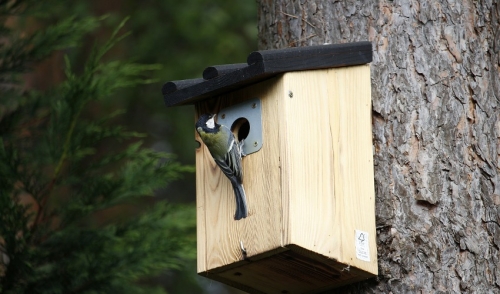
Preparing for the best and long awaited backyard wild bird feeding experience possible starts with understanding a wild bird’s seasonal changing feeding habits.
• Early Summer: Wild birds have just finished nesting. They aggressively begin searching for food to feed their young. Hatchlings begin learning how to fly and eat with their parents. Along with the warm weather, a fresh, clean water source becomes increasingly important.
• Mid to Late Summer: This is a transition time when birds finish raising their families. This is the time when they start preparing for their migration.
• Choosing the Right Seed: Try offering blends loaded with oil sunflower seeds. Safflower seed is also a good choice and is high in protein and fat. If possible, choose blends without millet. Avoid offering discount blends with cereals and fillers such as wheat, oats, barley, milo and flax seed. These become the contents in a pile underneath your feeders!
• Daily Preparations During the Summer: Keep your seed and suet fresh. Feeder visits will slow down during the warm summer months due to plenty of native foods being available. Be mindful that as the weather warms, suet and bird seed will begin to spoil quicker. When possible, feeders and suet feeders should be placed in shaded areas. Store excess feed in the refrigerator.
Load your feeder with no more than your feathered friends can eat within a week’s time. Keep your feed and suet fresh and enjoy a summer full of sights and sounds of wild birds!

Get your yard ready for fall! Save 20% on all leaf rakes in stock throughout October—perfect for clearing leaves and keeping your yard looking neat all season long. While supplies last
Not valid with any other discounts or sales.
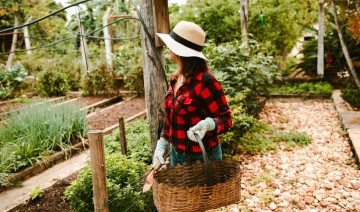
As temperatures cool and the growing season begins to wind down, it’s time to start preparing your garden for the months ahead. While it may be tempting to...

Comments